Music has remained an ancient remedy for healing ,l the search for inner balance feels more important than ever. Wellness therapy offers a refreshing path, holistic approach that nurtures not only the body but also the mind, emotions, and lifestyle. Instead of just treating illness, it encourages us to embrace a life of balance, harmony, …

Music has remained an ancient remedy for healing ,l the search for inner balance feels more important than ever. Wellness therapy offers a refreshing path, holistic approach that nurtures not only the body but also the mind, emotions, and lifestyle. Instead of just treating illness, it encourages us to embrace a life of balance, harmony, and preventive wellbeing.
Among the many modalities under wellness therapy, music and sound therapy stand out as deeply transformative. Music has a unique ability to bypass the chatter of the mind and touch the soul directly, creating a space for healing, calm, and self-awareness. Imagine the weight of a stressful day pressing on your shoulders, or the restless thoughts that keep you awake at 3 AM. In those moments, music becomes more than sound, it becomes therapy. Whether it’s a calming melody, an upbeat rhythm, or a nostalgic tune, music has a profound ability to shift our emotional state, soothe anxiety, and restore balance.
The healing power of music is an accessible, natural, and deeply human remedy, one that more people are turning to for comfort and clarity in today’s fast-paced world.
What Do We Mean by “Healing Power of Music”?
The term “healing power of music” refers to the way sound influences our mind, body, and emotions promoting relaxation, reducing stress, and even aiding physical recovery. Music can act as a bridge between emotion and expression, allowing us to process feelings we may not easily put into words.
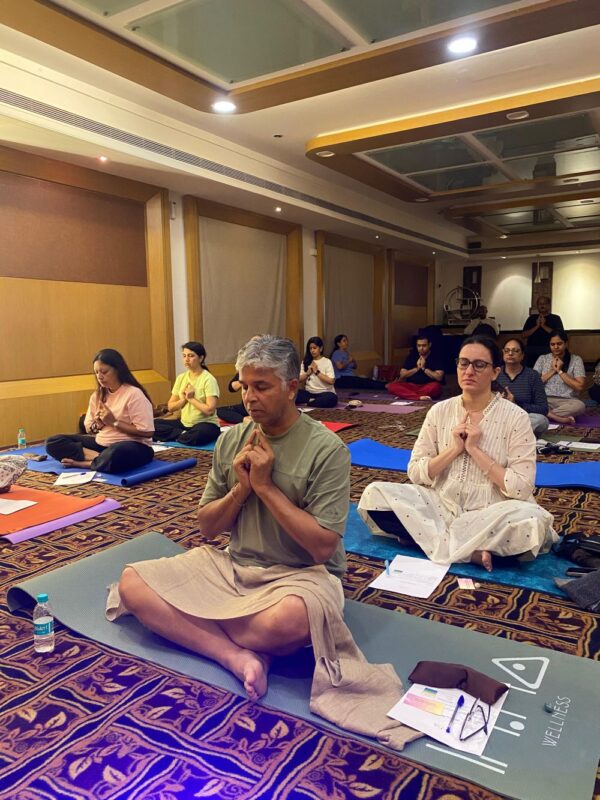
Importantly, music’s healing effect isn’t limited to passive listening. It also includes active creation, such as singing, playing an instrument, or even participating in rhythmic group activities. Experiences like Sound Bath Healing, where sound bowls produce soothing, resonant tones, help participants achieve stillness and reconnect with the present moment.
In an age where mental health challenges are on the rise, music serves as a powerful, non-pharmacological therapy — a holistic way to nurture emotional balance, mental clarity, and physical harmony. It’s not just about hearing the notes; it’s about feeling the transformation they bring.
How Music Helps Mental Health: The Science Behind It
The impact of music on mental health isn’t just emotional — it’s scientifically proven. Neuroscience shows that music directly affects brain chemistry, boosting the release of dopamine (the “feel-good” hormone) and oxytocin (the “bonding” hormone), while lowering cortisol levels — the stress hormone that fuels anxiety and tension. This delicate balance leads to a calmer mind, relaxed body, and uplifted spirit, a state many wellness programs and mental health workshops aim to cultivate.
Beyond hormones, music enhances neural connectivity, improving how different regions of the brain communicate. This not only strengthens memory and focus but also enhances emotional regulation. As a result, music becomes a gentle yet powerful tool for reducing stress, easing anxiety, improving mood, and supporting restful sleep.
Scientific studies and clinical therapies have also demonstrated that music can aid recovery from conditions such as depression, PTSD, and dementia. It’s increasingly being integrated into holistic healing practices, emphasizing harmony between mind, body, and spirit.
Ultimately, music reminds us that healing doesn’t always come through silence or stillness — sometimes, it arrives through rhythm, melody, and the sound that speaks directly to the soul.
How Music Restores the Mind, Body, and Soul
Sound has always been part of human culture, whether through chants, lullabies, temple bells, or the soothing rhythm of waves on a shore. Modern research now confirms what ancient traditions have long practiced: sound carries vibrations that can shift our emotional and mental state.
The therapeutic power of music lies in both mindful listening and active creation. For individuals coping with anxiety, panic attacks, or emotional unrest, studies show that tuning into soothing sounds and vibrations can calm the nervous system, slow heart rate, and ease mental tension.This practice enables people to be fully present in the moment.
In terms of social well-being, participating in community music or collective vocal expression helps build collective consciousness. These group sessions aid in identifying and balancing emotional and physical health. Furthermore, using vocalization or creation for self-expression allows for a necessary emotional cleanse. This potent method facilitates the process of letting go of unsettling baggage and detangling frayed emotional wounds for deep recovery.

To truly harness the healing power of music, start by tuning in to your current mood or emotional need. Are you seeking calm after a stressful day, grounding for anxious thoughts, or simply a sense of presence? Once you identify your state, choose your music intentionally with soft melodies, soothing sound bowls, or gentle vibrational tones work beautifully for deep relaxation and emotional balance
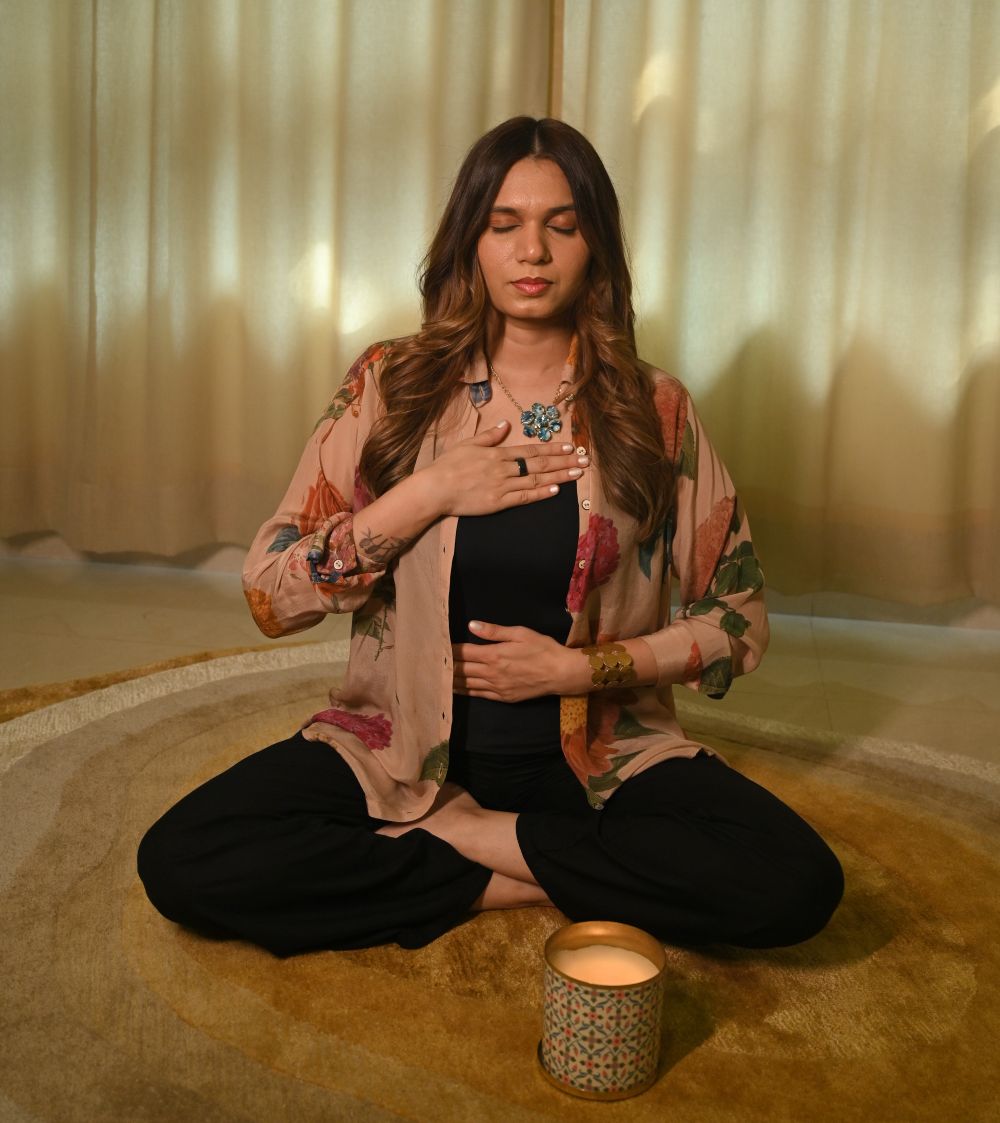
Make music part of your everyday wellness ritual. Dedicate just 10 minutes a day to mindful listening — close your eyes, focus on your breath, and allow each sound to gently guide your awareness inward. Pairing this with breathwork or mindfulness practices can help clear mental fog, reduce stress, and restore clarity.
Many wellness and mental health workshops embrace music as a therapeutic element for holistic healing. Programs such as Sound Healing Workshops, Chakra Healing, Mindfulness Sessions, and Emotional Well-being Retreats help individuals explore the restorative connection between sound and the self.
Key Benefits for Mental Well-being
Incorporating music and sound into a wellness lifestyle offers tangible benefits for mental health, helping individuals shift their focus from being solely corrective to prioritizing
- Cognitive Benefits: Music combined with mindfulness practices can help clear brain fog, enhance focus, and improve clarity of thought.
- Social Benefits: Group music sessions and curated experiences foster meaningful connections and cultivate collective consciousness.
- Physical & Emotional Balance: Therapeutic sound and somatic practices strengthen the mind-body connection, support emotional and physical health, and help the body achieve stillness.
- Long-Term Emotional Well-Being: Regular engagement with music aids in detangling emotional wounds, developing emotional regulation, and supporting preventive well-being.
Music as a Tool, Not a Cure: Recognizing When to Get Help
It is vital to recognize that music is a supportive tool and not a replacement for therapy, particularly when issues are severe. Music must be used mindfully, as an intentional mismatch may trigger negative emotions. If issues like persistent depression or suicidal thoughts are present (key warning signs), it is essential to combine music practices with other modalities, such as professional therapy, medication, or specialized One on one sessions that dig to the root cause and change neural pathways.
By embracing modalities like music and sound healing, individuals empower themselves to achieve lasting transformations through their entire lifecycle, making Wellness a Lifestyle.
To deepen this experience, In:ha offers specialized sound healing workshops that integrate the benefits of sound therapy into overall wellbeing.The rhythmic sounds entrain your brainwaves, slowing them down to a calmer frequency, while the experience helps lower cortisol levels, the stress hormone and promoting a profound sense of peace. As you surrender to the harmonious vibrations, your mind begins to let go of worries and negative emotions, creating a safe mental and emotional space for healing and freedom. It’s like giving your mind and body a gentle massage with sound waves, a truly transformative way to unwind and recharge.

To maximize music’s healing power, create a “healing playlist” curated to your emotional needs. Practice active listening, consciously engaging both body and mind, and experiment with different genres or styles. Use sound intentionally, such as incorporating soothing sound bowls and vibrations to achieve stillness of the body and mind. Complement listening by integrating sound with mindfulness practices and breathwork
These workshops reflect In:ha’s commitment to elevating Wellness Workshops through comprehensive lifestyle programs designed for lasting transformation and stress reduction, guiding participants on a journey from corrective to preventive wellbeing
At In:ha Wellness, every vibration is an invitation to pause, to heal, and to return to yourself.
To wrap up, here are answers to some common questions readers often have about music and mental health:
1. Can music alone cure depression?
Music is a supportive tool for mental well-being, but it is not a replacement for professional therapy in severe cases. For conditions like persistent depression, it’s best to combine music with therapy, medication, or one-on-one sessions that address root causes. Music can complement treatment but should not be relied on as the sole solution.
2. Is there a ‘best’ genre or type of music for mental health?
While soothing sound bowls and vibrational tones (as in a Sound Bath Healing Experience) are highly effective for inducing stillness of mind and body, the best type of music ultimately depends on your individual needs. Experiment with different genres and styles to intentionally match your desired mood — whether that’s focus, energy, relaxation, or emotional release.
3. How often should I use music to see benefits?
Consistency is key. Integrate music into your daily routine, such as a morning ritual or bedtime wind-down. Even small, 10-minute sessions of mindful listening combined with breathwork can produce noticeable benefits. Over time, intentional use of music becomes a lifestyle habit that supports ongoing emotional and mental well-being.
📍 Limited spots available – don’t miss your chance
🔗Click here to book your slots or visit our Insta handle to know more
🔗 Follow us at Instagram